




Conservation
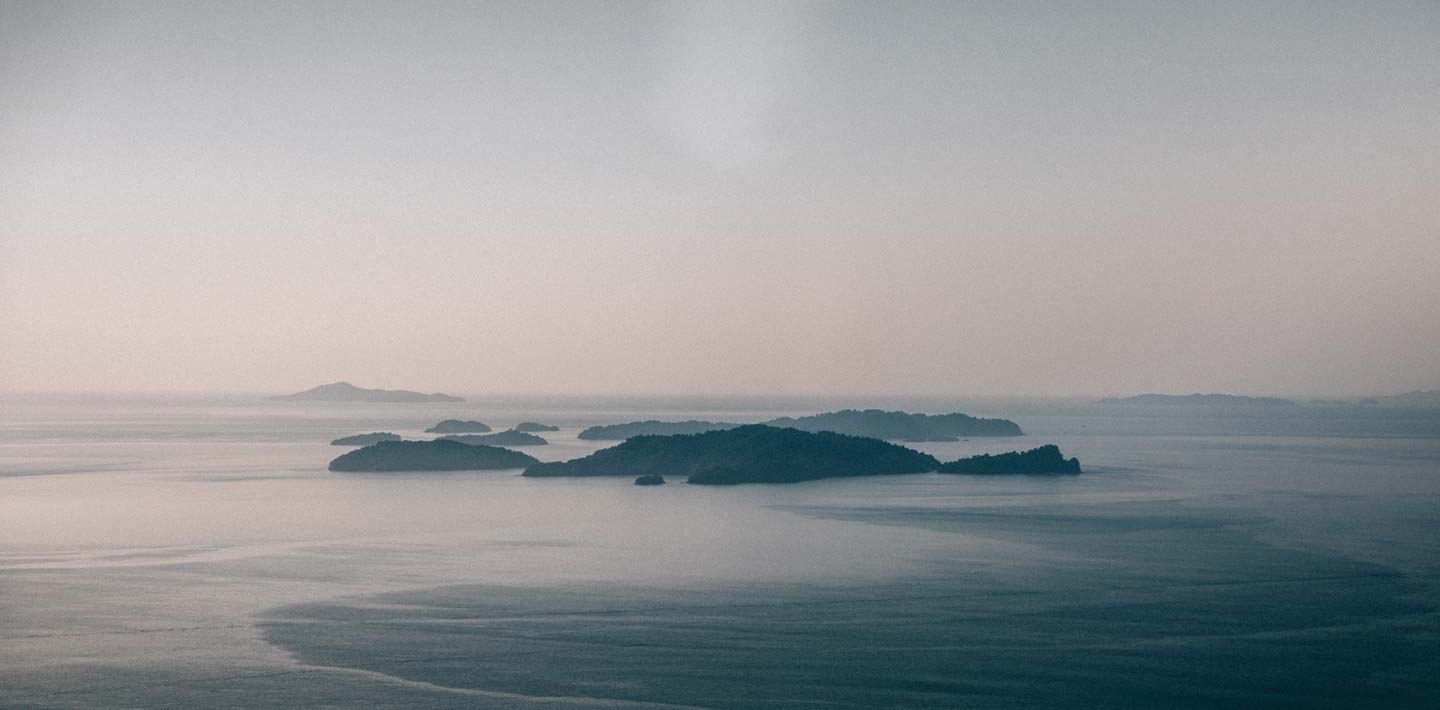
Putting nature first lies at the heart of Islas Secas
Preserving our precious natural heritage drives everything we do at Islas Secas. From coral and species monitoring and international conservation partnerships, to hands-on citizen science experiences for our guests, our environmental team and partners strive to ensure we protect the archipelago and wider Panama region. Guests, children included, are invited to join our work and learn more about the area’s extraordinary biodiversity within a vital marine corridor.
Species Monitoring
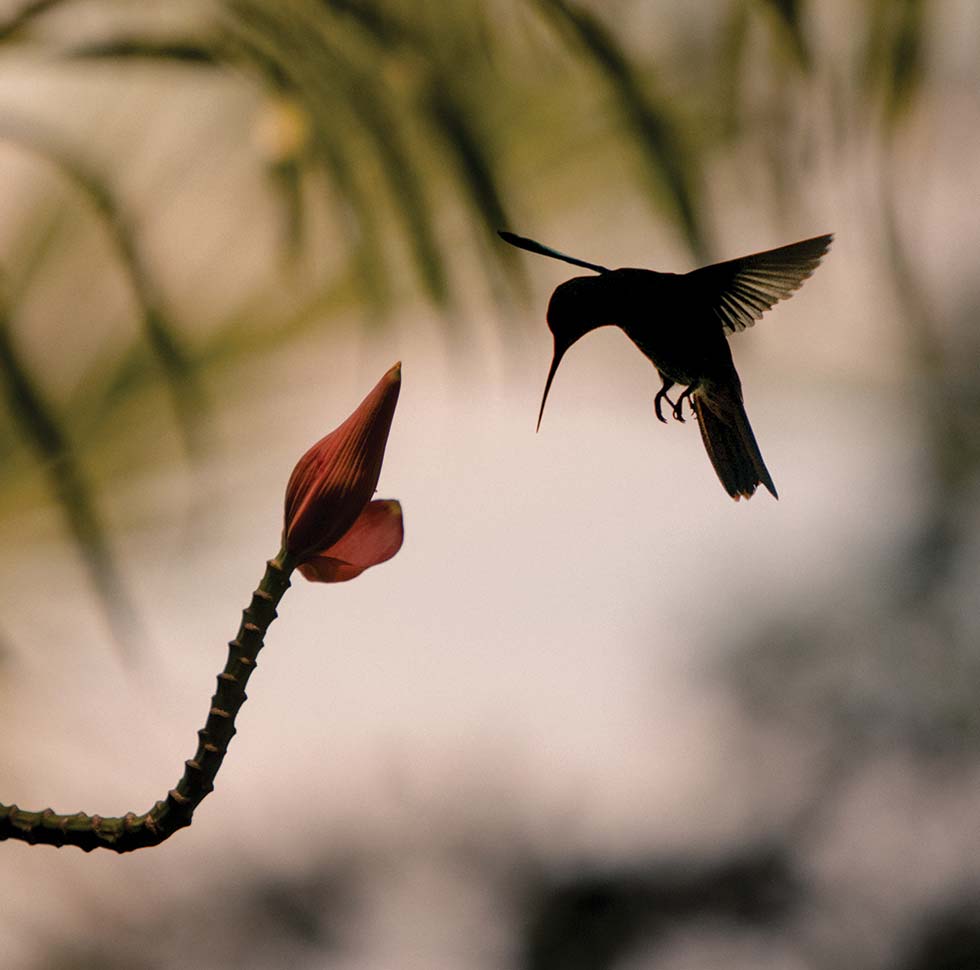
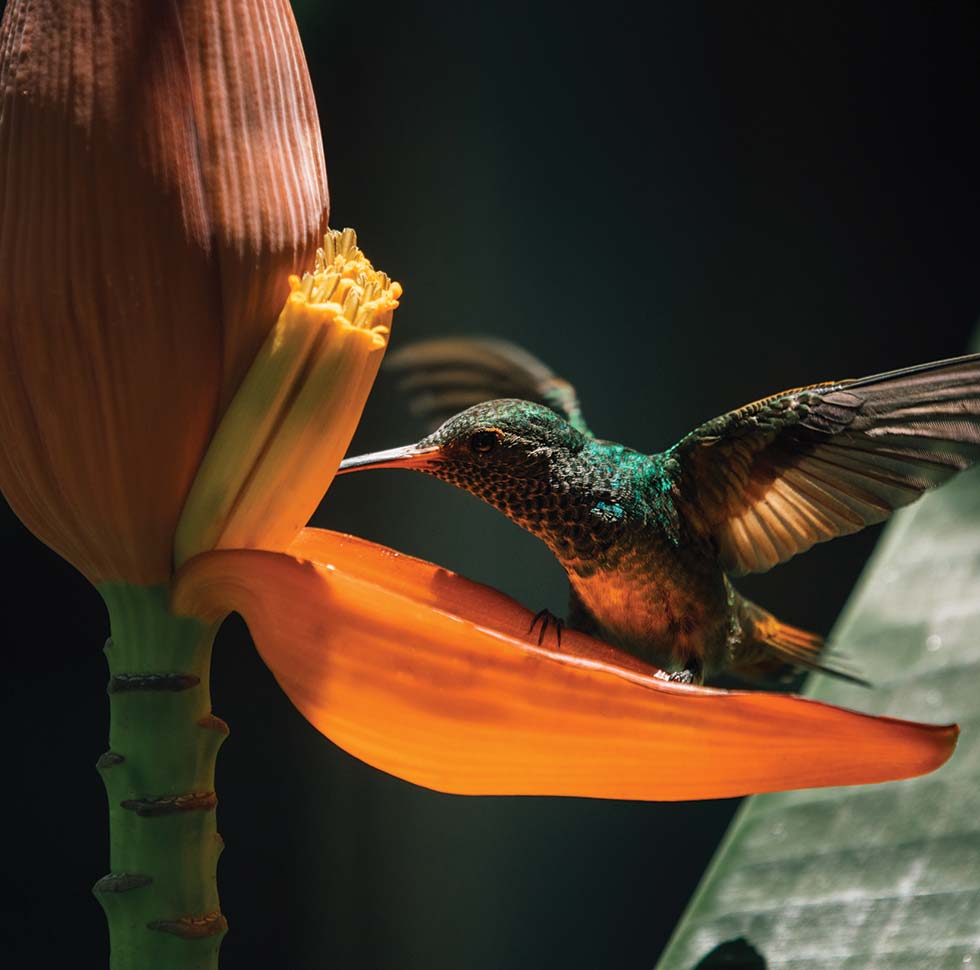
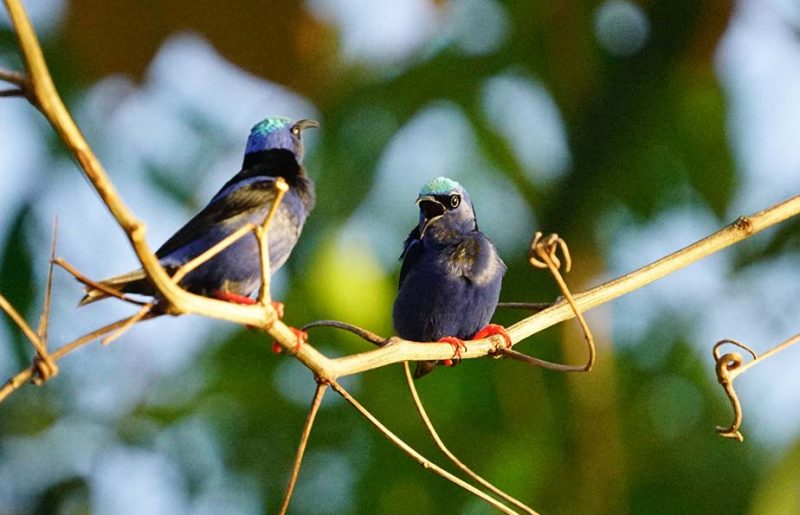
We keep a close eye on our biodiversity through the iNaturalist platform, while the birds that inhabit the archipelago are logged through eBird. Guests are invited to take part and report what they discover, helping add to these vital scientific data repositories, which in turn inform scientists and influence conservation action.

Frigatebird Monitoring
Islas Secas is home to Panama’s second-largest colony of magnificent frigates (Fregata magnificens). Our ongoing study of their permanent, active marine colonies in the Gulf of Chiriquí, counts the nesting birds at least four times a year and we love to invite guests to take part in our research.

Protected Waters
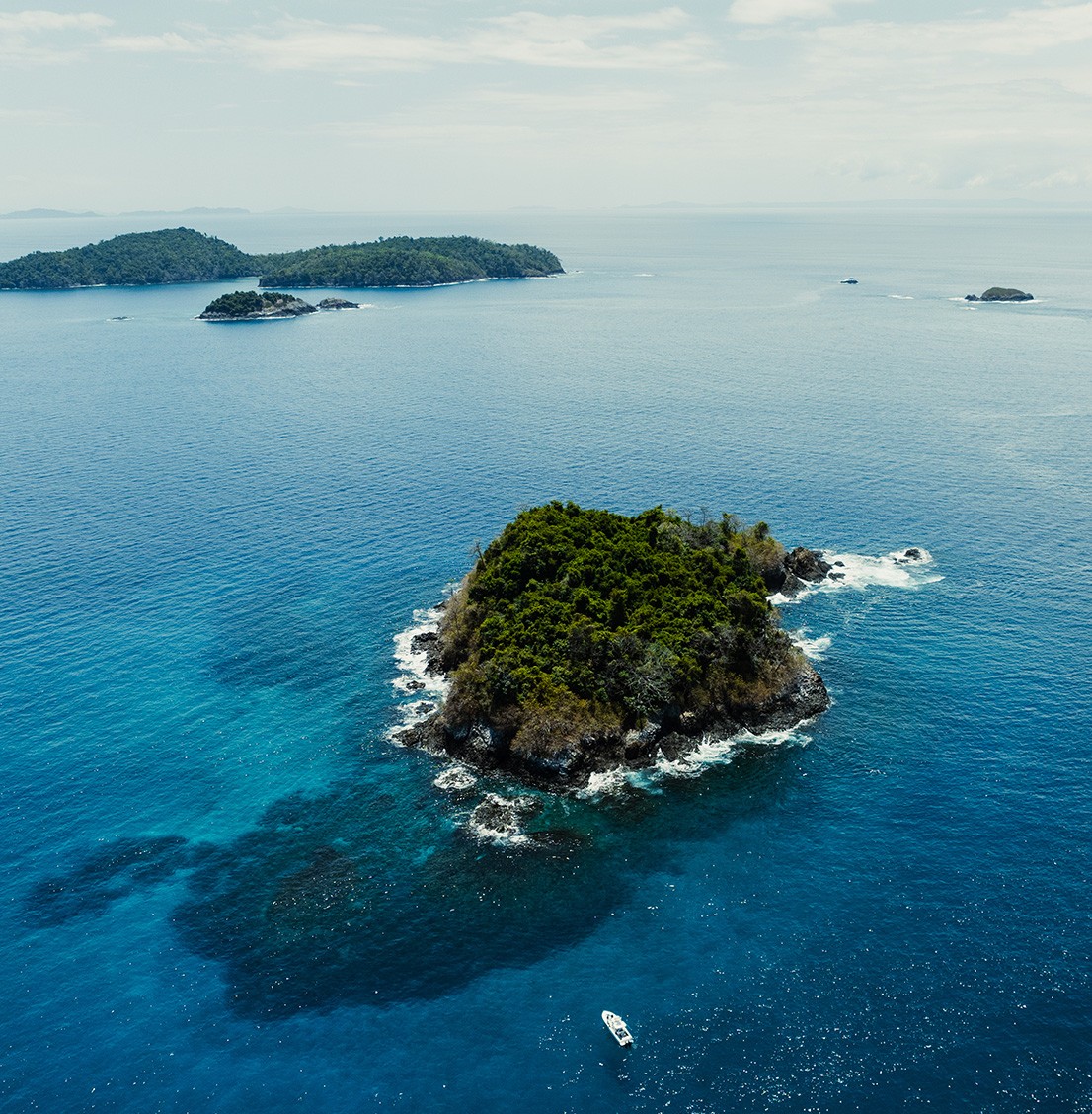
Working closely with national and international partners, the waters around Islas Secas are now fully protected from damaging commercial fishing, including gillnets, trawlers and lobster fishing. Local pole-and-line fishing and recreational catch-and-release fishing remains protected, ensuring the local community continues to benefit. The results to our marine life are already evident, with a significant uptick in species spotted in our waters.


Habitat Restoration
Our program of invasive, non-endemic plant removal effectively restores the ecological balance of the islands. This has allowed us to repopulate the archipelago with thousands of native plants, grown in an on-site nursery. We have also worked closely with Audubon Panama to gain a better understanding of the archipelagos’ diverse bird habitats, with the aim to reintroduce threatened species in the future.

Marine Debris Removal
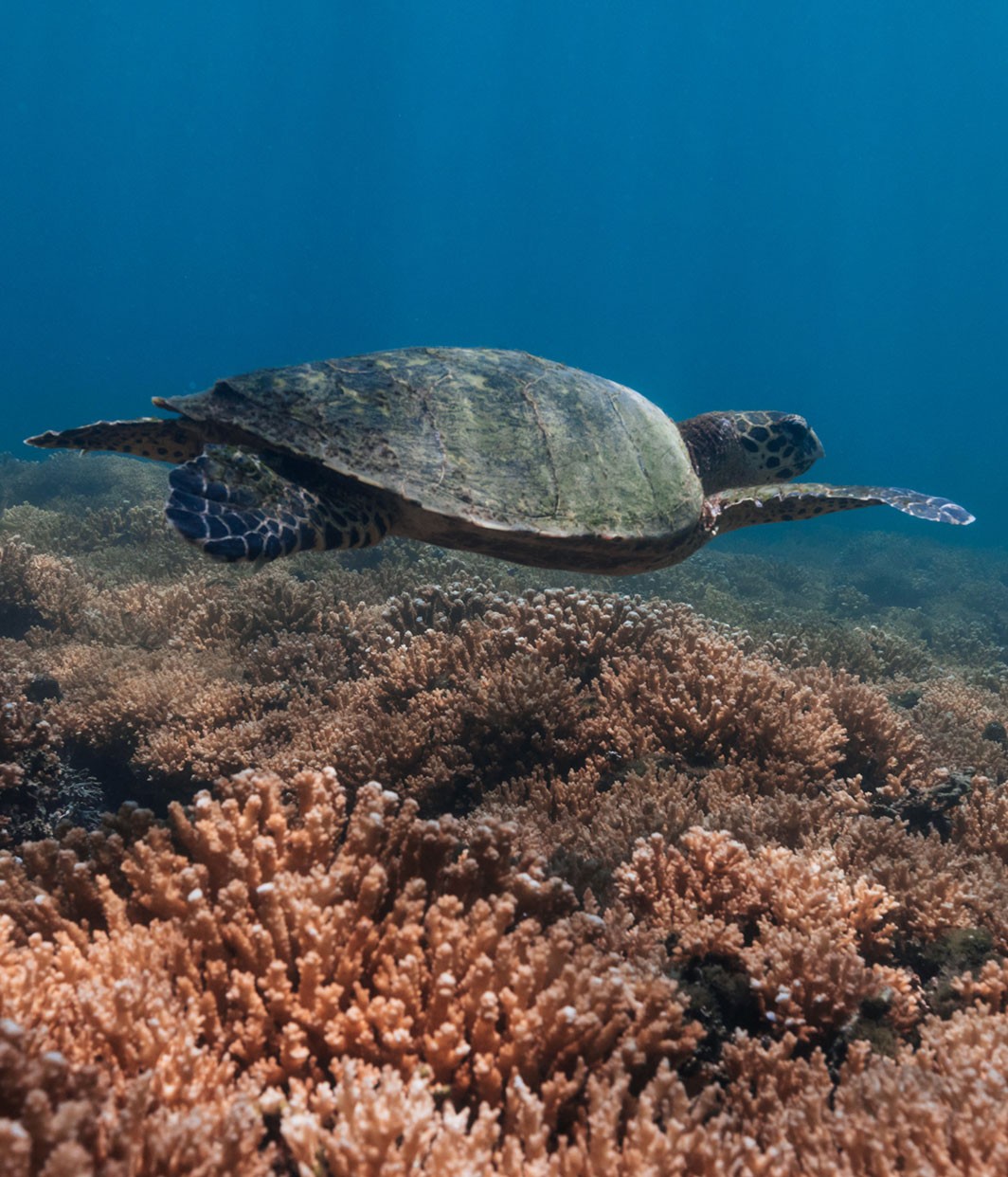
Our conservation team conducts large-scale ghost net and longline removals to protect local reefs. In 2025, we removed 900 pounds of nets and 11 miles of longlines from surrounding waters, preventing further coral damage and safeguarding marine life.

Whale Research & Monitoring
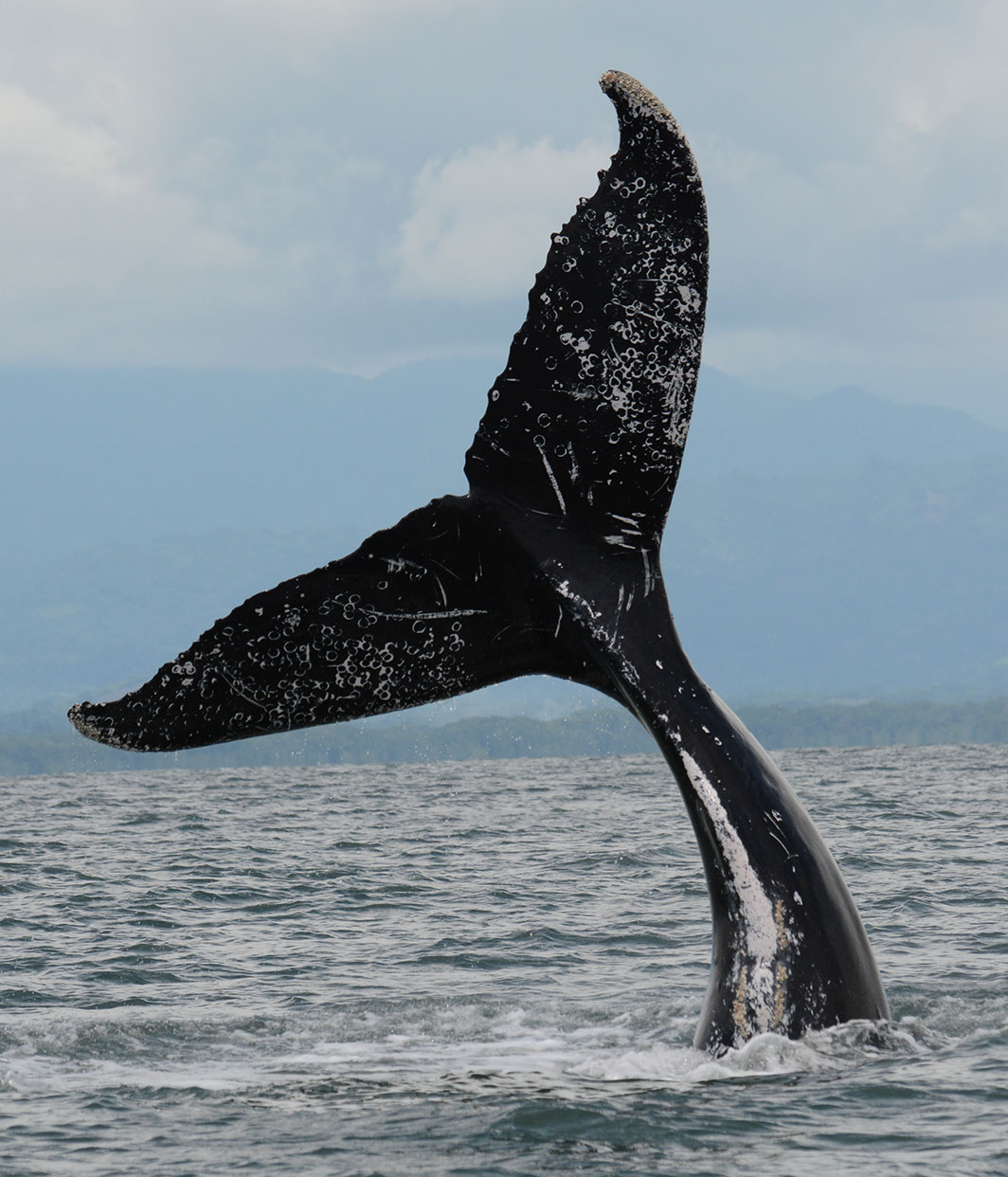
In partnership with Panacetacea, we support long-term whale monitoring through photo ID, acoustic studies, and migration mapping. Over 1,000 individual whales have been identified in the Gulf of Chiriquí, enriching global understanding of this critical marine corridor.

Beny Wilson
“Let us show your family the wild wonders of Islas Secas. We’ll pique your curiosity about this unique place on Earth - one of the most biodiverse in the Eastern Tropical Pacific. We can’t wait to amaze you.”
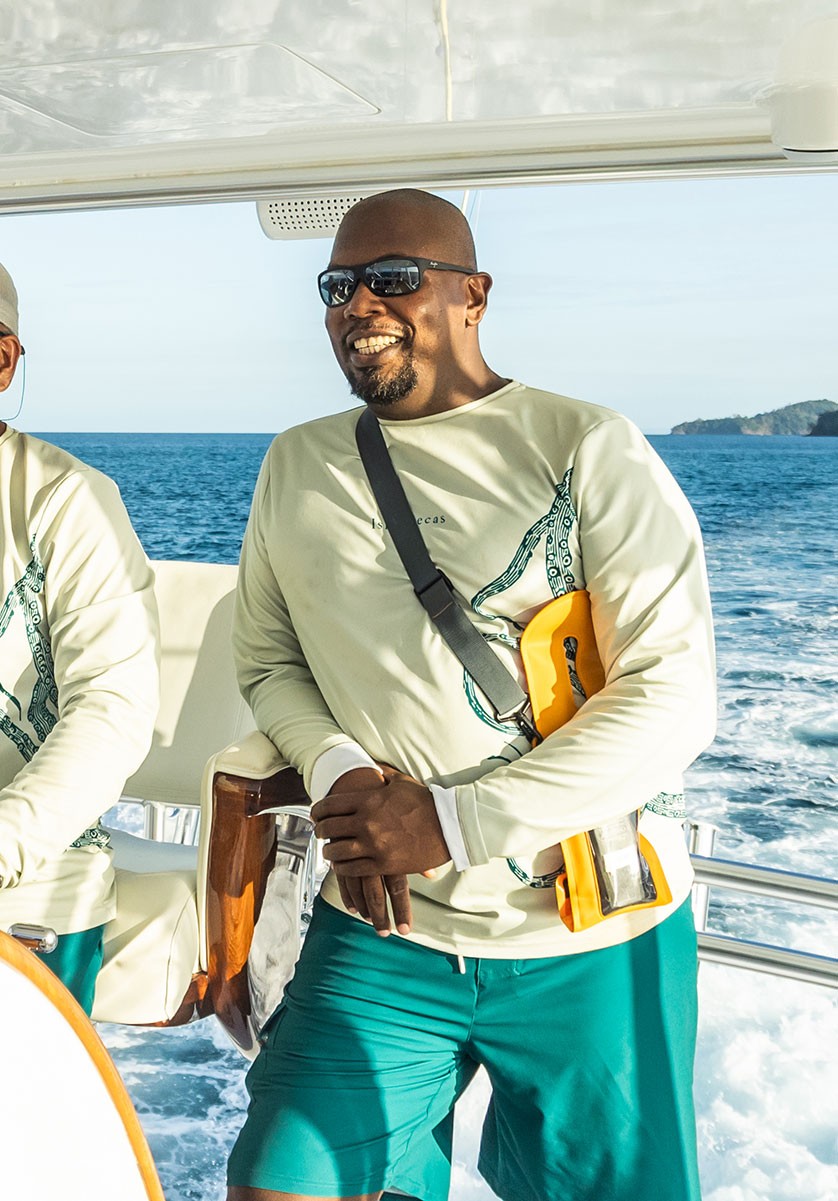
Conservation Manager
Beny Wilson
Fieldwork That Makes a Difference
Our conservation team conducts hands-on protection of the surrounding reefs and marine habitats. In 2025, a ten-day operation removed 900 pounds of discarded nets, 11 miles of longlines, and a large FAD that was damaging coral structures. Ongoing collaborations with Panacetacea, CCIMBIO, and Smithsonian researchers support long-term monitoring of whales, coral cover, reef fish and ocean health – vital knowledge for protecting the Eastern Tropical Pacific marine corridor.

UsefulInfo
If you can’t find the answer to your question, please get in touch via email or phone and we will get back to you as soon as we can.
Get in Touch-
-
We recommend taking our private resort plane (a beautifully-designed 16-seater Twin Otter) for the easiest and most convenient journey.
-
100%! Our eco-resort is fully powered by renewable solar energy generated from 1,500 photovoltaic panels. Excess energy is stored in state-of-the-art battery systems to ensure reliable, clean power at all times. Backup generators are available for emergencies and are fully offset through Sustainable Travel International.
-
We follow a comprehensive waste management system to minimize our environmental footprint. All solid waste is sorted, packed and sent to the mainland for responsible recycling. Food waste is dehydrated and composted, contributing to our on-island organic farm, and we are committed to eliminating single-use plastics.
-
We reclaim, treat, and reuse 100% of our water for irrigation, significantly reducing our impact on the island’s groundwater supply. Our potable water system uses advanced filtration, UV treatment and activated carbon filters to ensure clean, safe drinking water for all guests.
-
Our Casitas are built with certified sustainable wood and designed using minimally invasive construction techniques. They are strategically positioned to maximize natural cooling, shade and breathtaking views while minimizing environmental impact.
-
Our Islas Secas Foundation (ISF) funds and collaborates with organizations dedicated to protecting marine and terrestrial ecosystems, including MarViva, Panacetacea, The Leatherback Project Panama and the Audubon Society. Our conservation initiatives focus on marine protection, whale research, sustainable fisheries, coral reef health and avian preservation.
-
Beyond using 100% solar power, we offset emissions from our aircraft, boats and operations through investments in climate projects. These initiatives include reforestation, renewable energy and blue carbon solutions, all through Sustainable Travel International.
-
Absolutely! We offer citizen science programs where guests can engage in coral reef monitoring, marine life censuses, whale fluke recording and guided nature walks. By participating in these activities, guests not only learn about the island’s natural beauty but also contribute to its long-term preservation.
-
Yes, we collaborate with leading conservation organizations through ISF, including the Smithsonian Tropical Research Institute, Wetlands International, and Global Fishing Watch. These partnerships support research, habitat protection, and environmental education in local communities.
-
We follow strict responsible tourism practices to ensure our operations do not harm marine ecosystems. This includes eliminating single-use plastics, enforcing sustainable fishing policies and supporting scientific research to protect marine species and habitats. In addition, we regularly organize beach cleanups and conduct underwater ghost net removals, helping to reduce pollution and eliminate threats to marine wildlife.
-
Yes, our potable water undergoes rigorous filtration, UV treatment and regular quality testing to ensure it is safe and pure. Freshwater is sustainably sourced from underground aquifers and carefully managed to preserve natural resources.
-