



Whale Watching
One of the best places on the planet to see whales
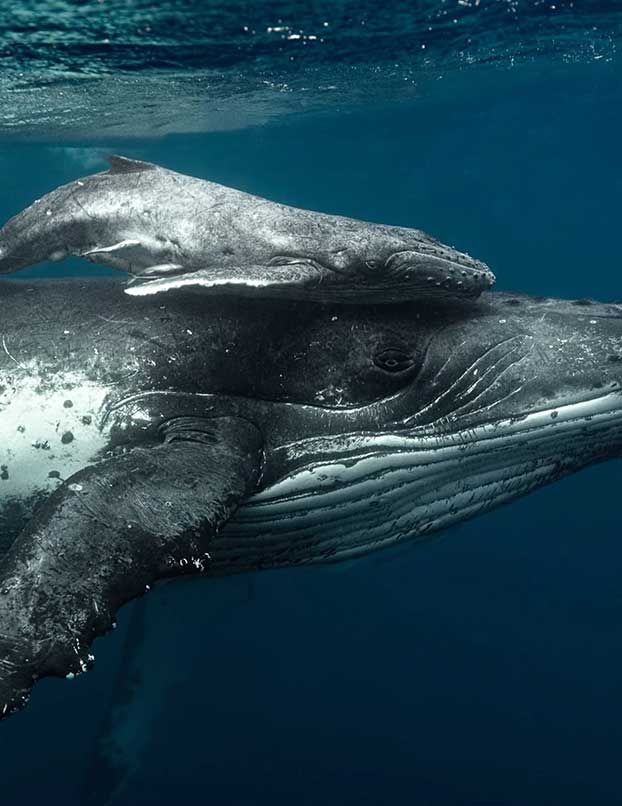
Our pristine, protected waters are the only place in the world known to host two entirely separate populations of migrating humpback whales. Year-round, you may also encounter Bryde’s whales and false killer whales in these remarkably rich seas.
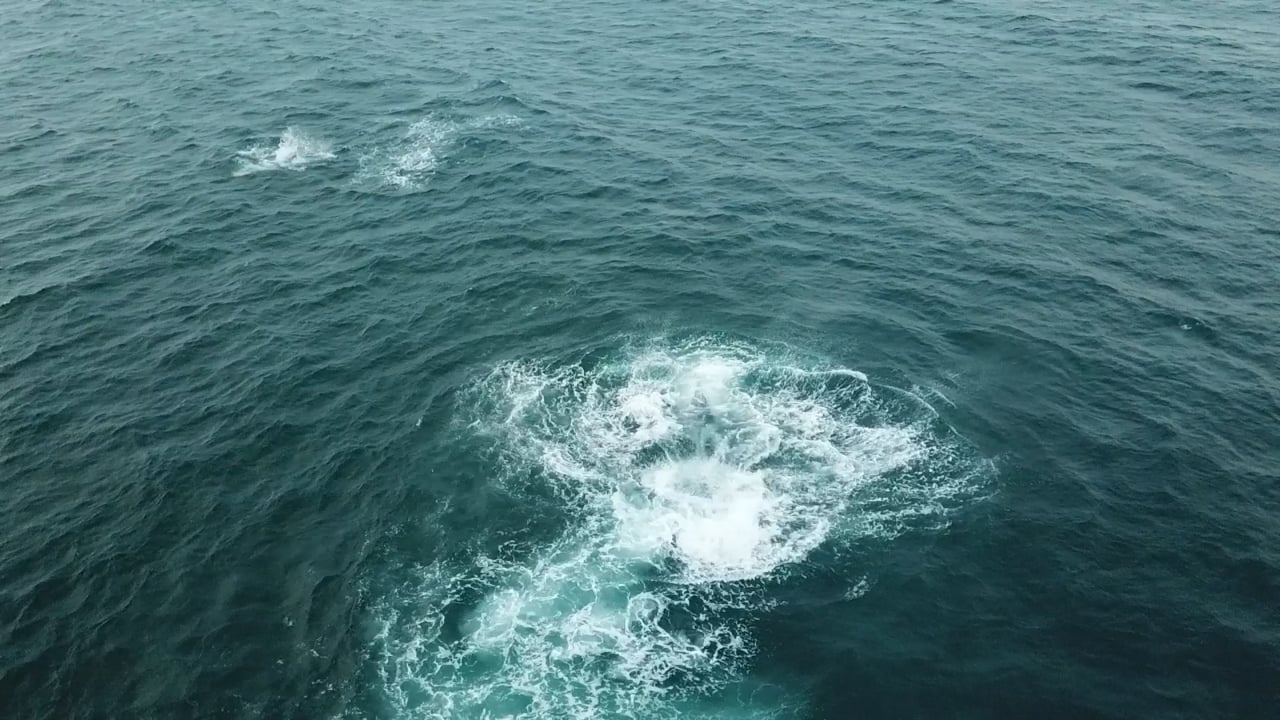
That means big numbers and epic encounters during our two whale seasons. You don’t need to go far: gaze out and spot them from your own Casita, stroll to one of our lookout points, or head out on a sensitive whale-watching expedition.
A unique Location
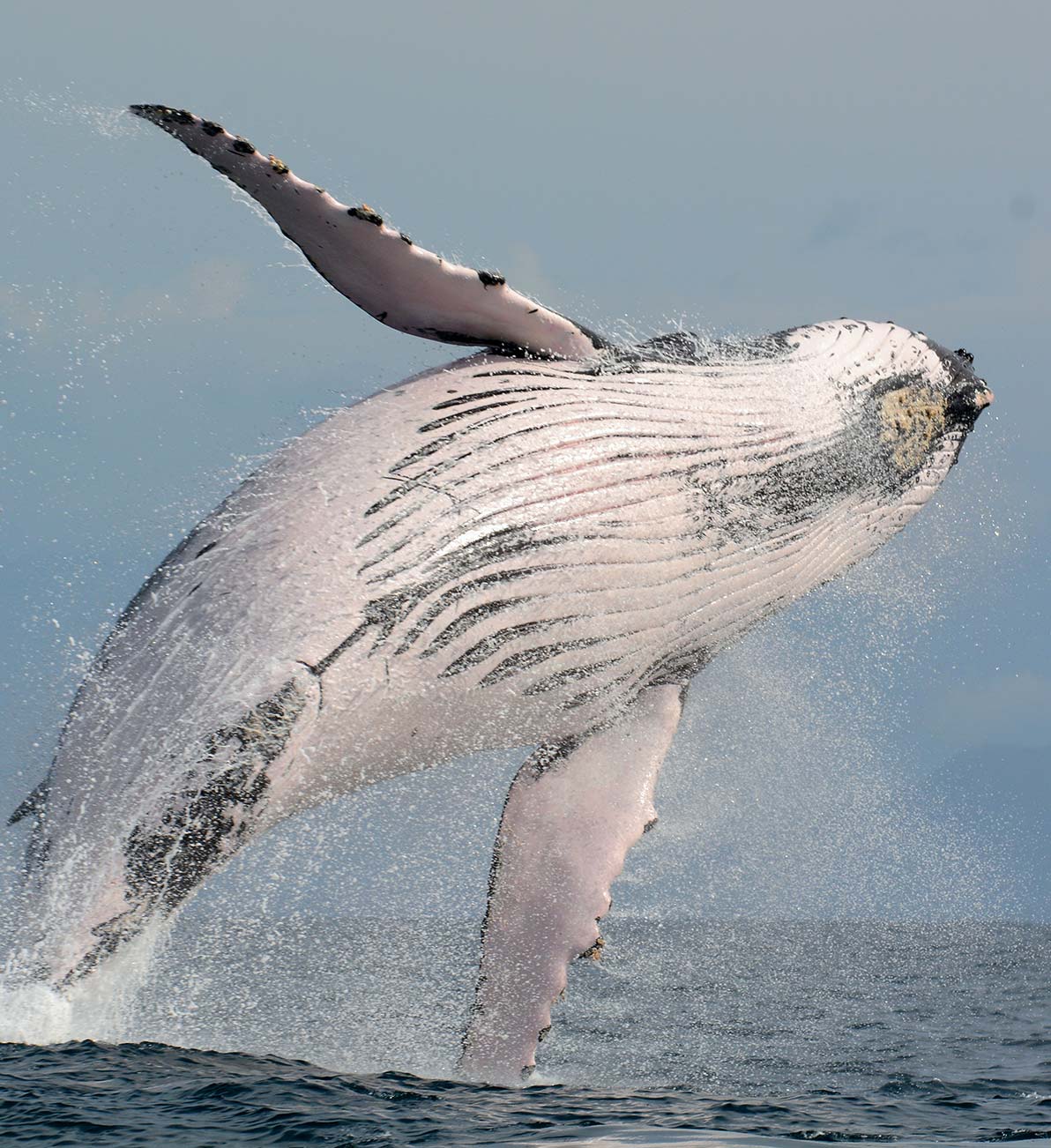
Whale watching in the Gulf of Chiriquí and Coiba National Park offers a rare window into one of the Pacific’s most important marine corridors. This is the only known region visited by humpback whales from both hemispheres, with a smaller northern population seen between December and April, and southern hemisphere whales arriving between July and October to breed and nurse their calves.
These two distinct seasons create remarkable opportunities for sightings, guided by expert knowledge and a deep respect for the animals and their habitat. Guests may also encounter Bryde’s whales and false killer whales, whose recently documented presence adds another layer to the archipelago’s rich marine story.
Our Unique Whale Experiences
Expert-led whale-watching expeditions with an average of 5–10 humpbacks visible per outing
Listen to live whale songs through hydrophones, tracking 50+ seasonal song patterns
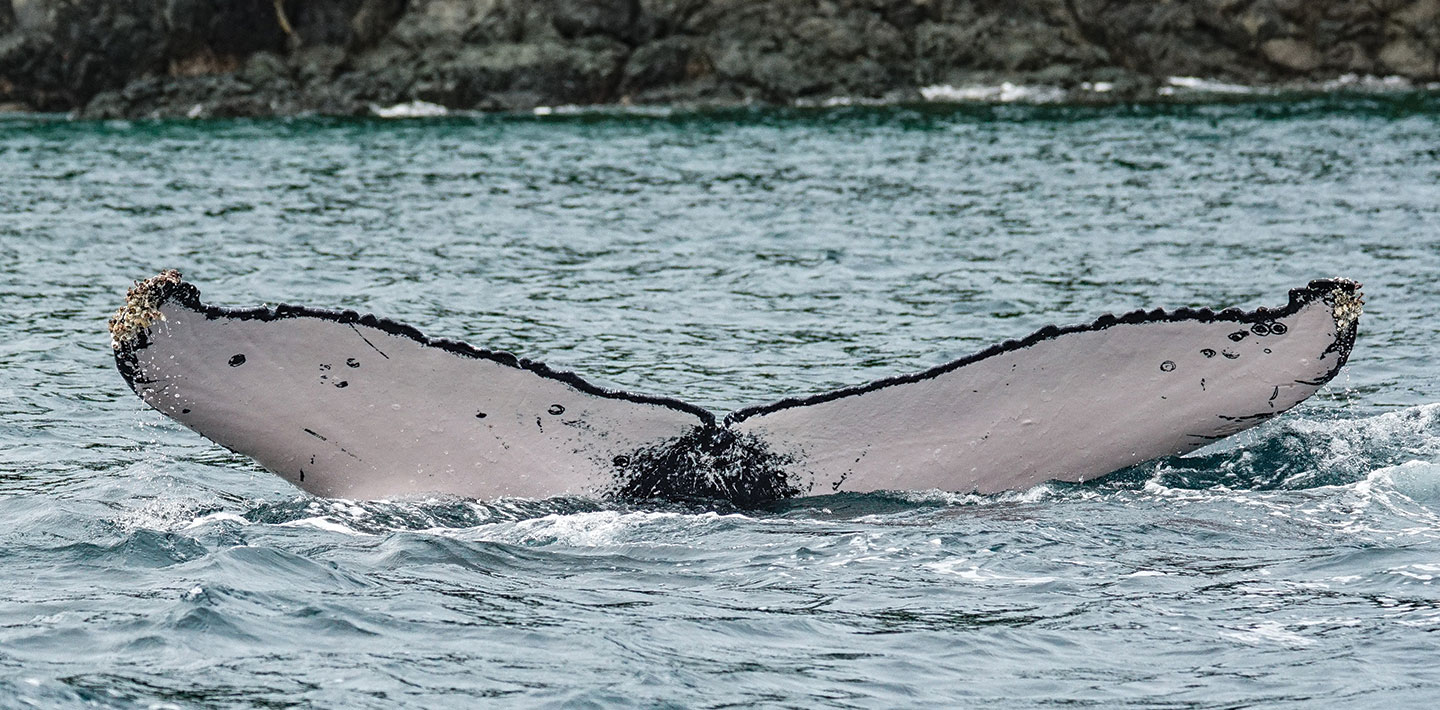
Participate in citizen science, contributing 1,000+ fluke identifications annually to global whale databases
Attend conservation talks by Panacetacea researchers detailing 20+ years of population monitoring
Observe research techniques, including drones, photogrammetry and acoustic data collection
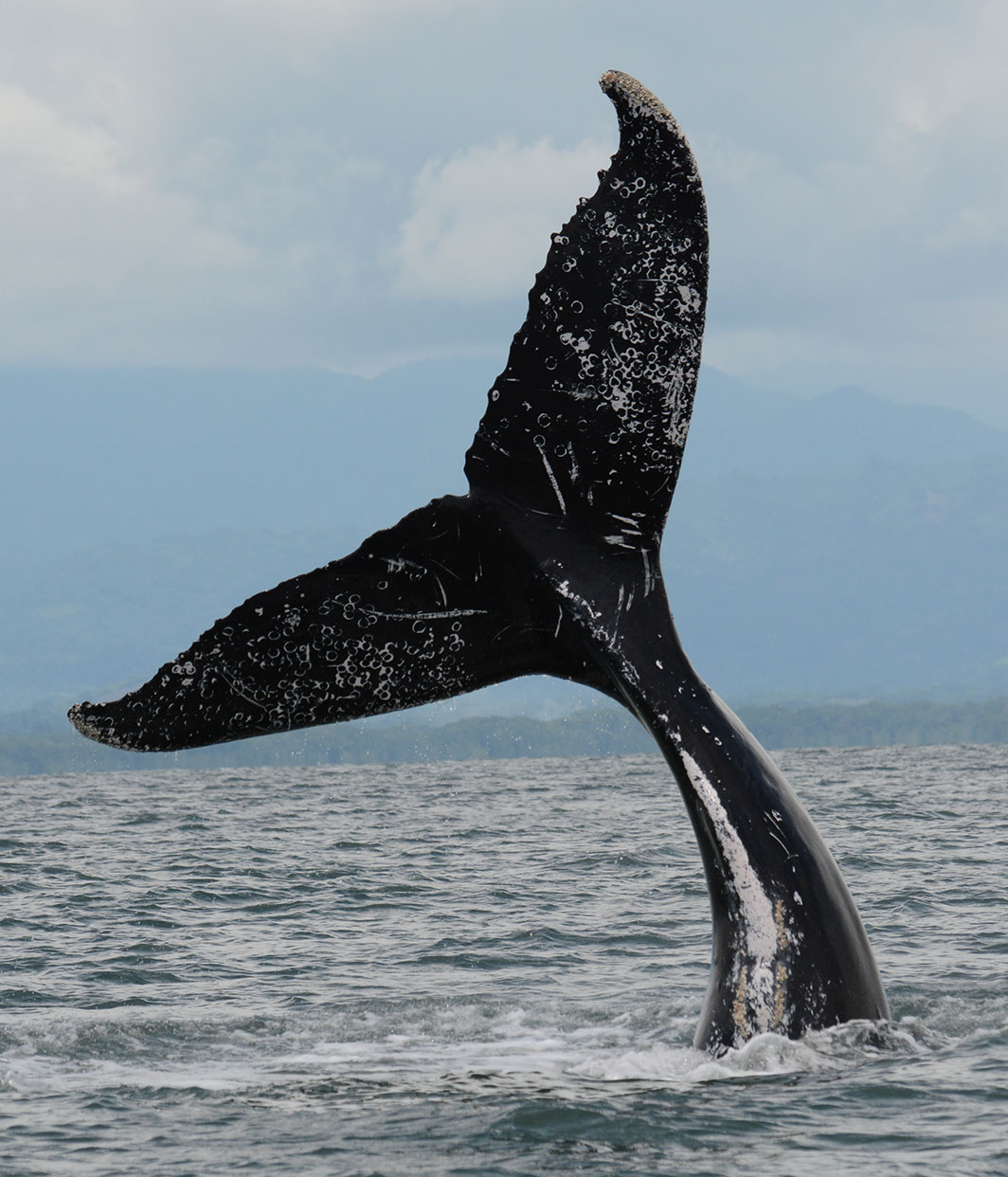
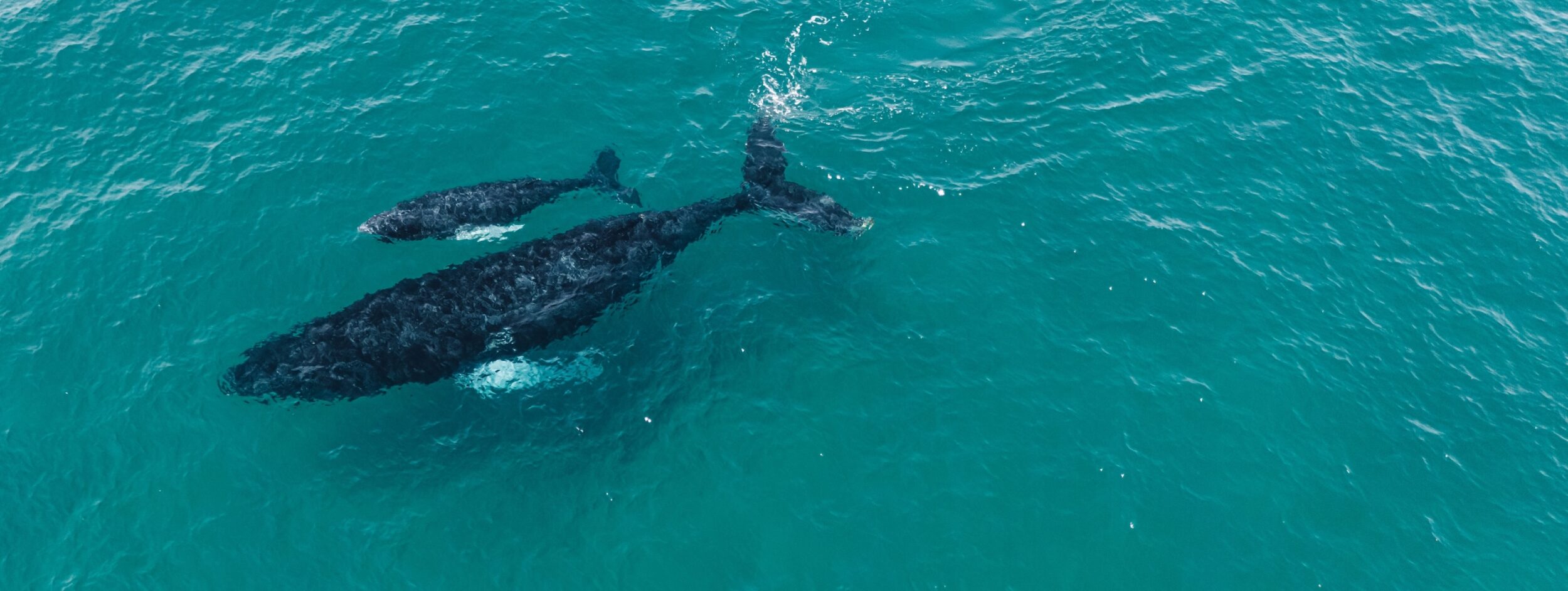
Whale Weeks at Islas Secas
Come for the whales. Stay for the wonder. Leave as part of the story.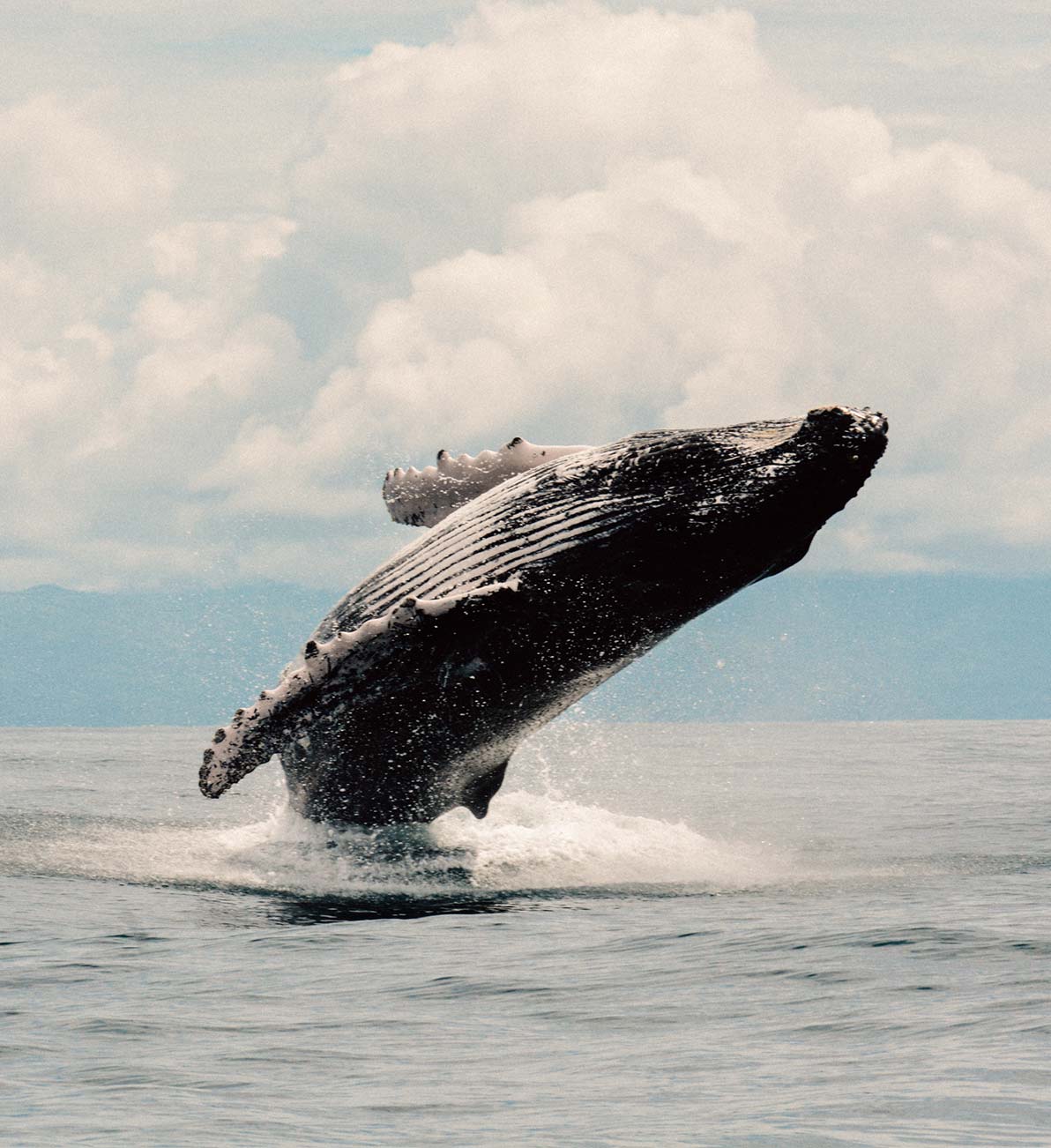
Sustainability, Conservation and Nature in Panama
We are proud of our scientific work, partnering with leading marine experts that study our unique whale populations, and working to protect them further. Guests can rest assured that our whale-watching program is sensitive and sustainable, following strict guidelines established by the U.S. National Oceanic and Atmospheric Administration. Your encounters will always be thoughtful, informed and uncrowded – as well as unforgettable.
Experiences on Land or at Sea
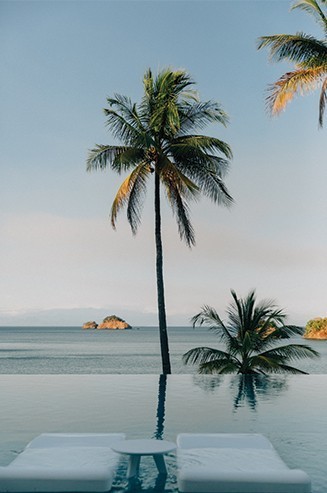
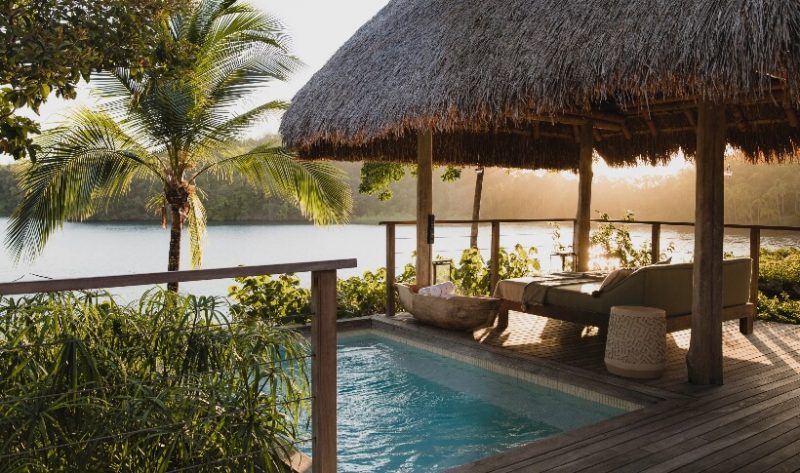
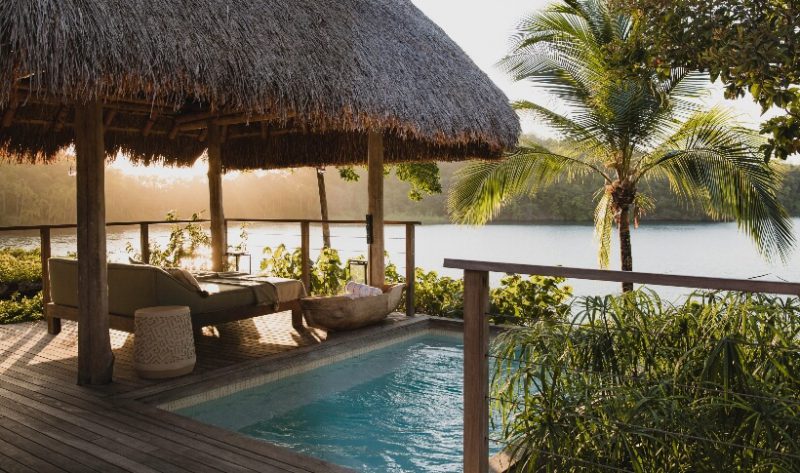
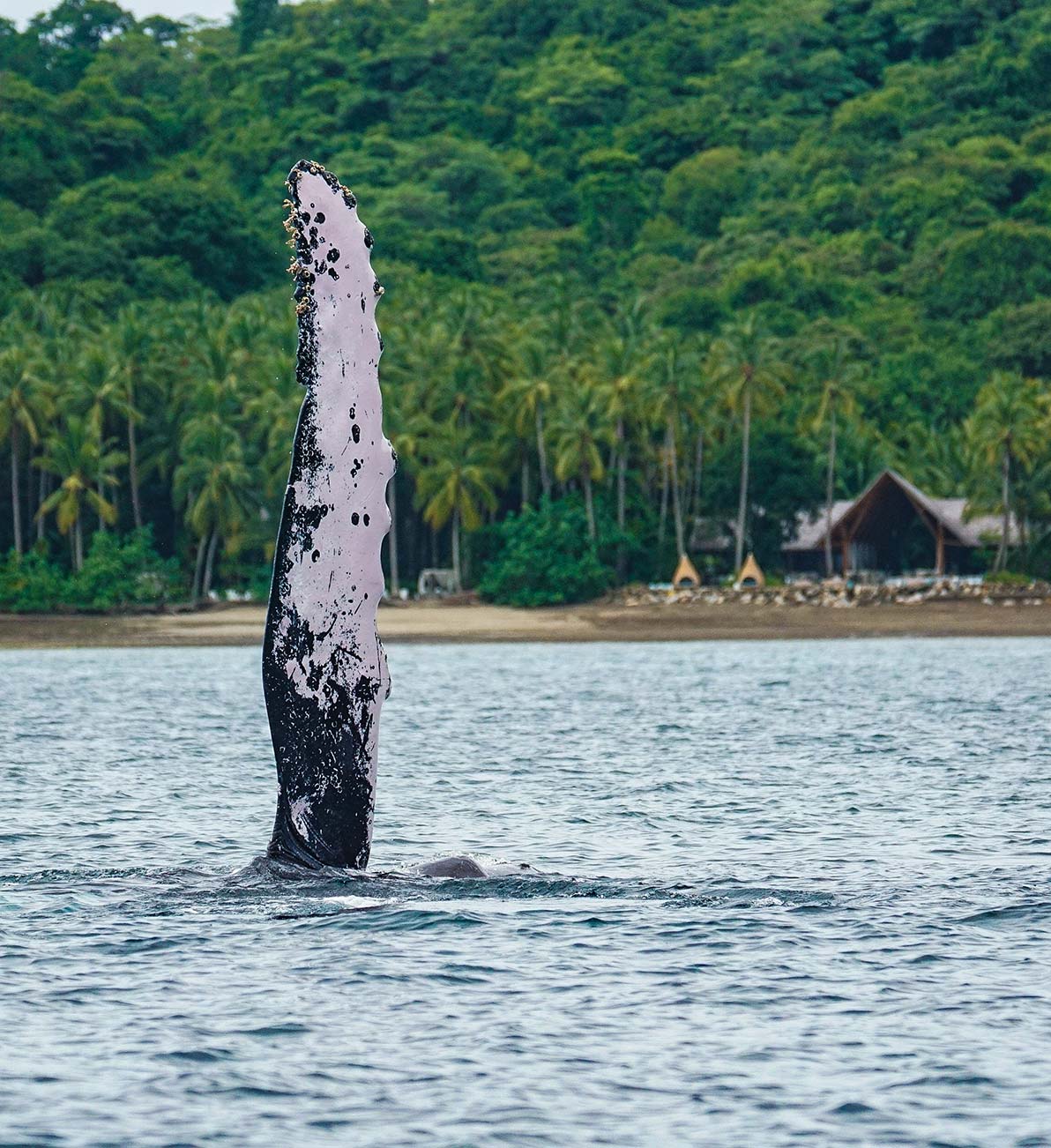
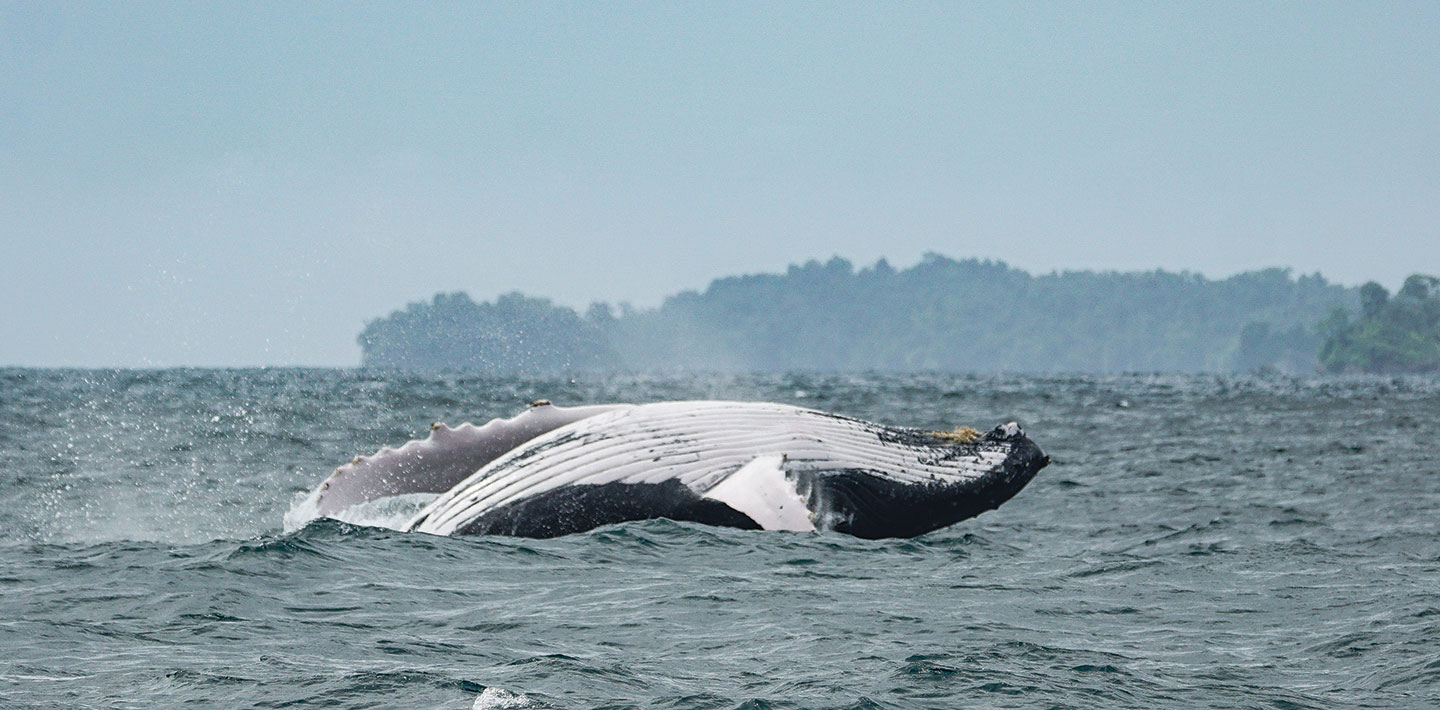
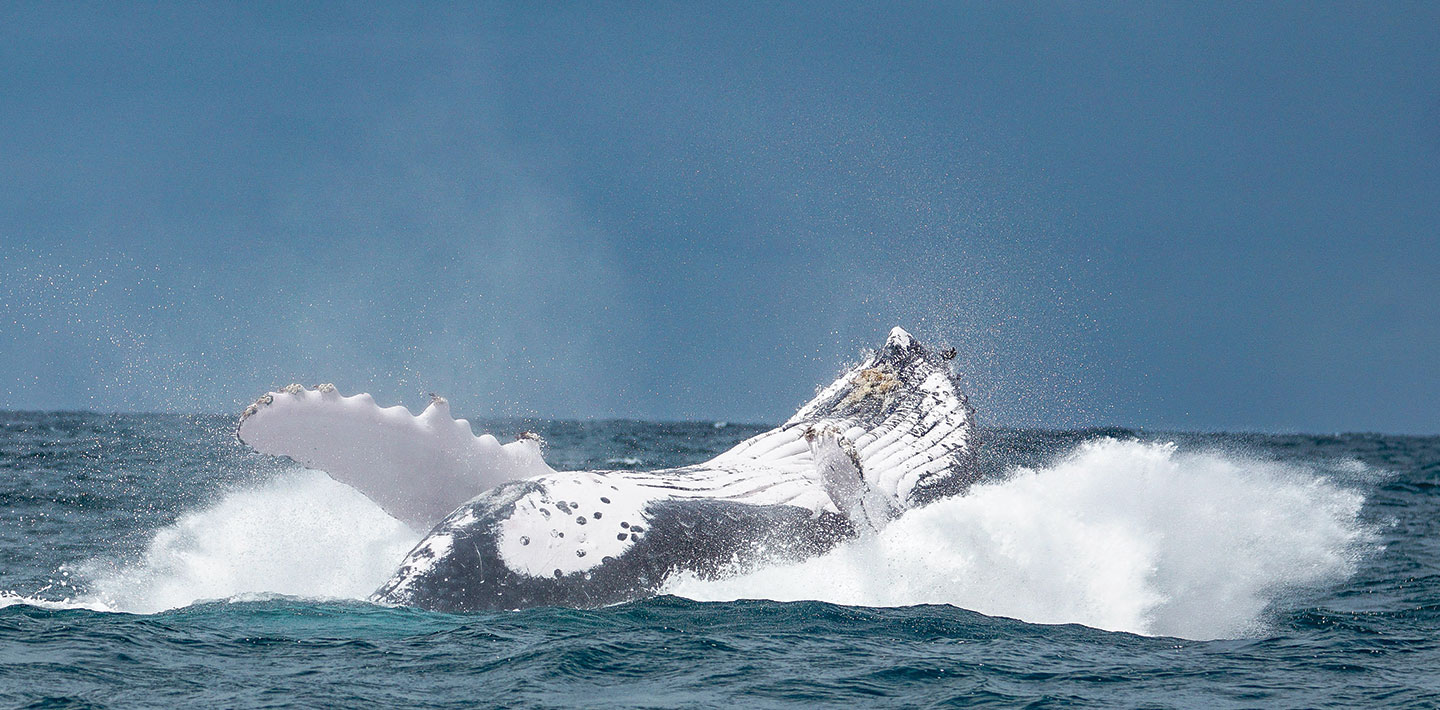
Islas Secas has some of the world’s best land-based whale-watching, with the chance of spotting humpback whales from your Casita, during a meal in Terraza or while relaxing by the pool. We’ve added lookouts from our hiking trails, so you can pause and catch a glimpse of them breaching and blowing in the waves. For an in-depth and fascinating experience for all ages, opt for our expert-led encounters with resident naturalist Beny.
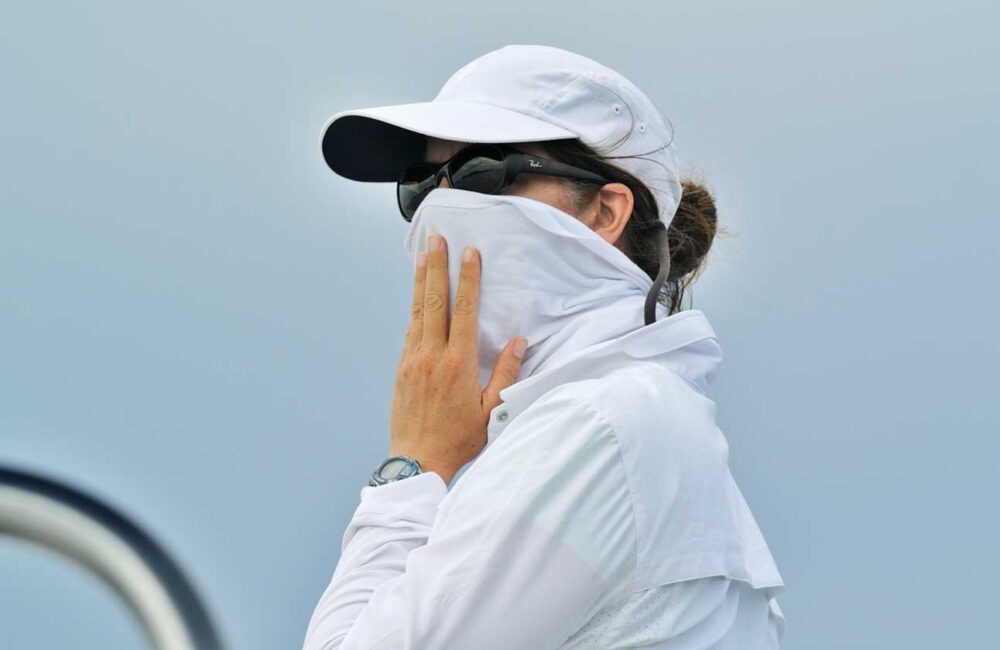
Kirsten Rasmussen
“Guests can help our research by taking pictures on their whale-watching trips, which we share with other scientists and assist in the conservation of these magnificent creatures.”
Whale Expert
Kirsten Rasmussen
UsefulInfo
If you can’t find the answer to your question, please get in touch via email or phone and we will get back to you as soon as we can.
Get in Touch-
-
Our guests can experience a wide range of whale-related activities, from listening to live whale songs via hydrophones to contributing to whale research by taking part in whale fluke photo-identification.
-
Humpback whales (the smaller Northern Hemisphere humpback population visits between December and April, while the larger Southern Hemisphere population arrives from July to October), Bryde’s whales and false killer whales.
-
From July to October, sightings of humpback whales are very much guaranteed, making this the best time of year for whale watching. Sightings may also happen between December and April, although this is less likely.
-
From December to April, there are occasional sightings from the resort. The chances are higher from Coiba National Park, but this is not guaranteed.
-