



The Islas Secas Foundation

The Islas Secas Foundation safeguards marine biodiversity and strengthens ecological resilience in Panama’s Gulf of Chiriquí.
As an affiliate of The Moore Charitable Foundation, the Islas Secas Foundation is proud to partner with conservation non-profits who advance our mission through scientific research, sustainable fisheries, ecosystem restoration, protected area advocacy and management, and environmental education. Please read about important area impact.

Restoring Panama’s Mangroves
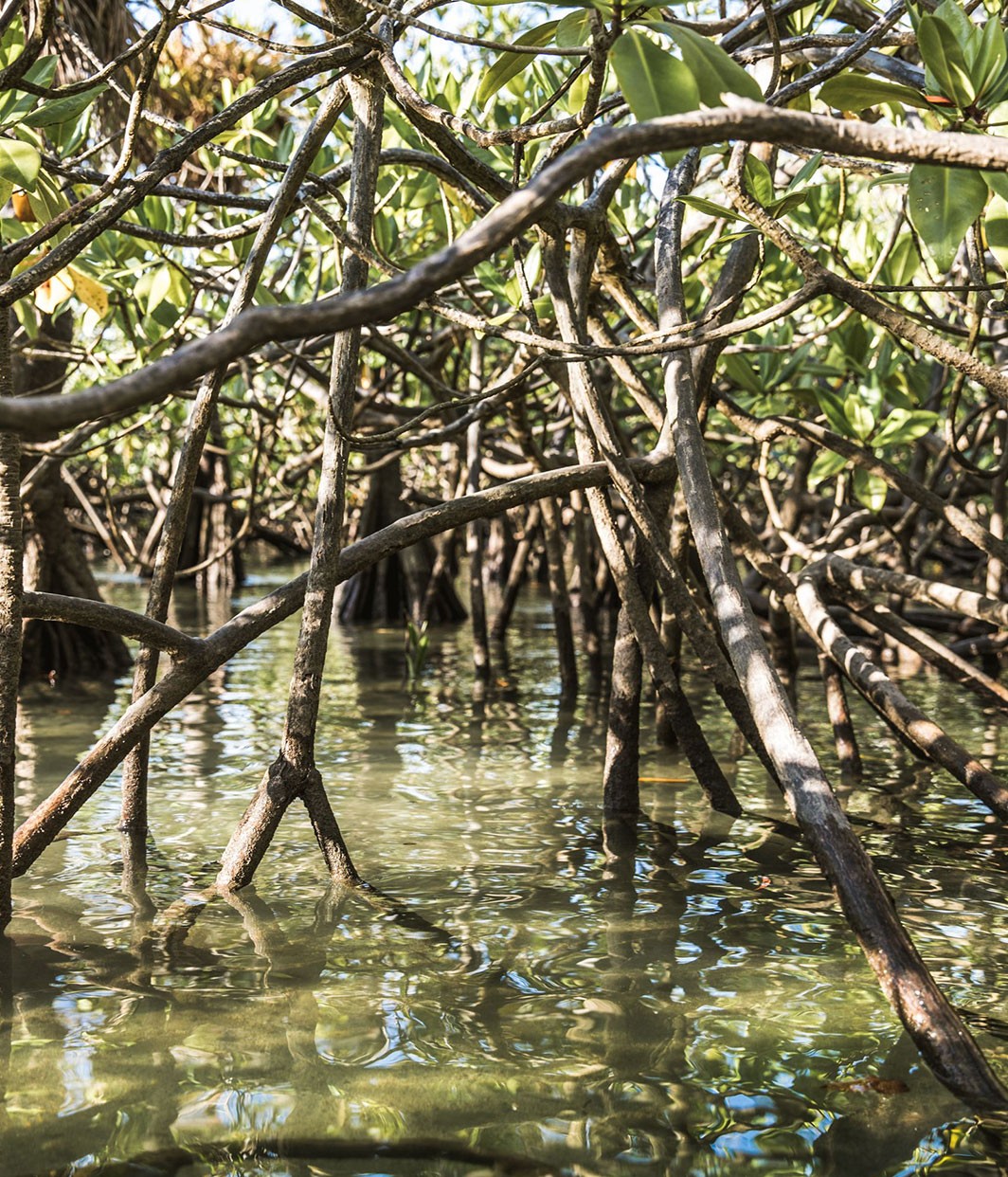
The Secas Foundation partners with Wetlands International to protect and restore mangrove forests — vital nurseries for marine life and natural barriers against climate impacts — across the Gulf of Chiriquí. This partnership supports Panama’s first national wetlands-based carbon offset initiative.
-
Expanding mangrove monitoring in the Manglares de David to deter and document unsustainable development, supporting potential legal complaints, and educating and empower local youth as advocates for wetland and mangrove conservation
-
Supporting restoration of 1,800 hectares of mangroves by 2028, boosting climate resilience and biodiversity
-
Working with local communities in Playa Zapotal and Laguna de las Lajas through PNUD’s nature-based solutions framework
-
Engaging four local schools in mangrove planting and care programs
-
Advancing Panama’s carbon offsetting initiative grounded in wetlands conservation
Protecting Marine Ecosystems Through Science and Policy
In the Gulf of Chiriquí, the Secas Foundation supports MarViva’s mission to balance sustainable fisheries with ecosystem protection through data, collaboration, and advocacy.
-
WI is helping Panama restore 1,800 hectares of mangroves by 2028—boosting climate resilience and biodiversity
-
Working through United Nations Development Programme’s (UNDP) nature-based solutions framework, WI partners with communities in Playa Zapotal and Laguna de las Lajas, combining hands-on restoration with environmental education
-
In four local schools, students and families plant and care for mangroves—learning by doing
-
This partnership supports Panama’s first national wetlands-based carbon offset initiative

Protecting Sea Turtles & Legal Breakthroughs
The Secas Foundation supports The Leatherback Project’s work to advance Rights of Nature in Panama by combining scientific research, legal advocacy, and community engagement to secure stronger protections for sea turtles and their habitats. This work is strengthening the legal, ecological, and institutional frameworks needed to defend marine life.
-
TLP combines science and law to protect sea turtle nesting grounds in the Gulf of Panama
-
TLP also championed Law 287 of 2022, recognizing Nature’s right to exist and regenerate—putting Panama at the forefront of the global Rights of Nature movement
-
After working closely with island communities, it helped establish the Saboga Wildlife Refuge
Tracking Whales, Protecting Habitats
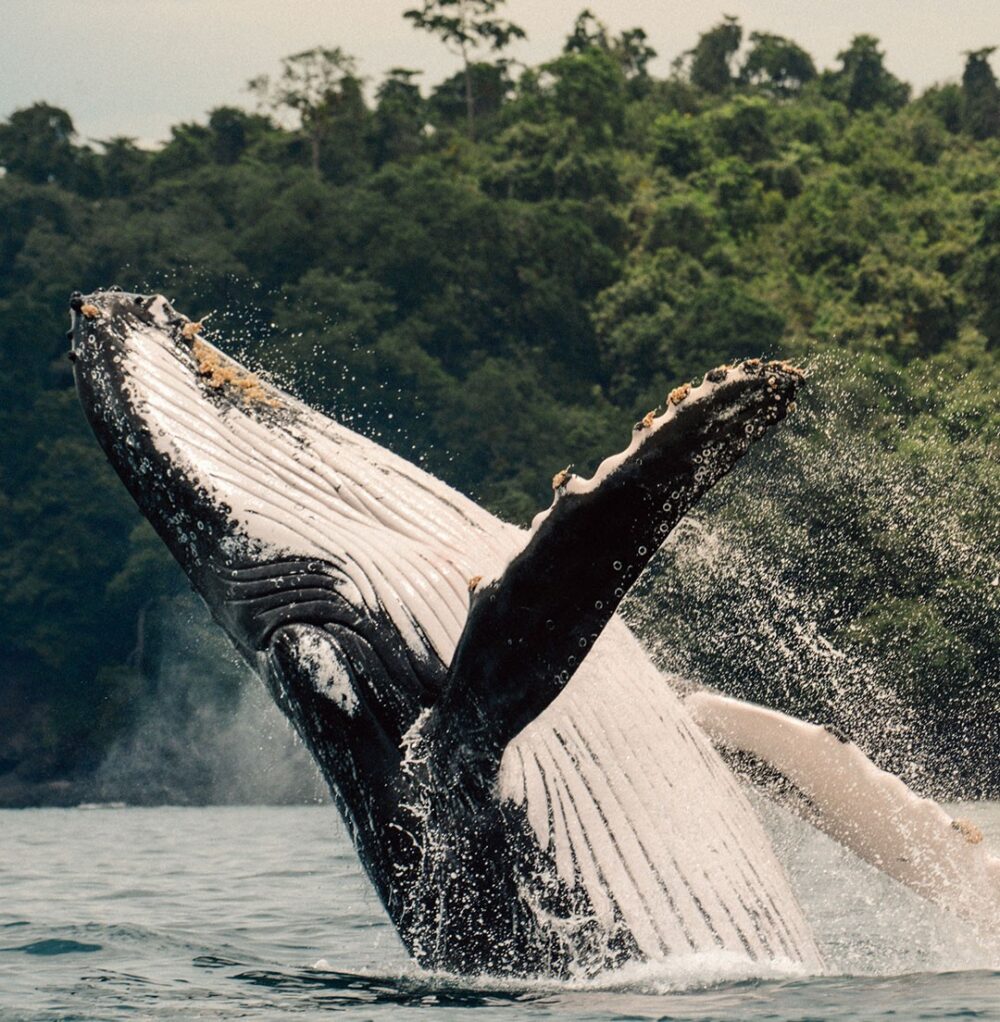
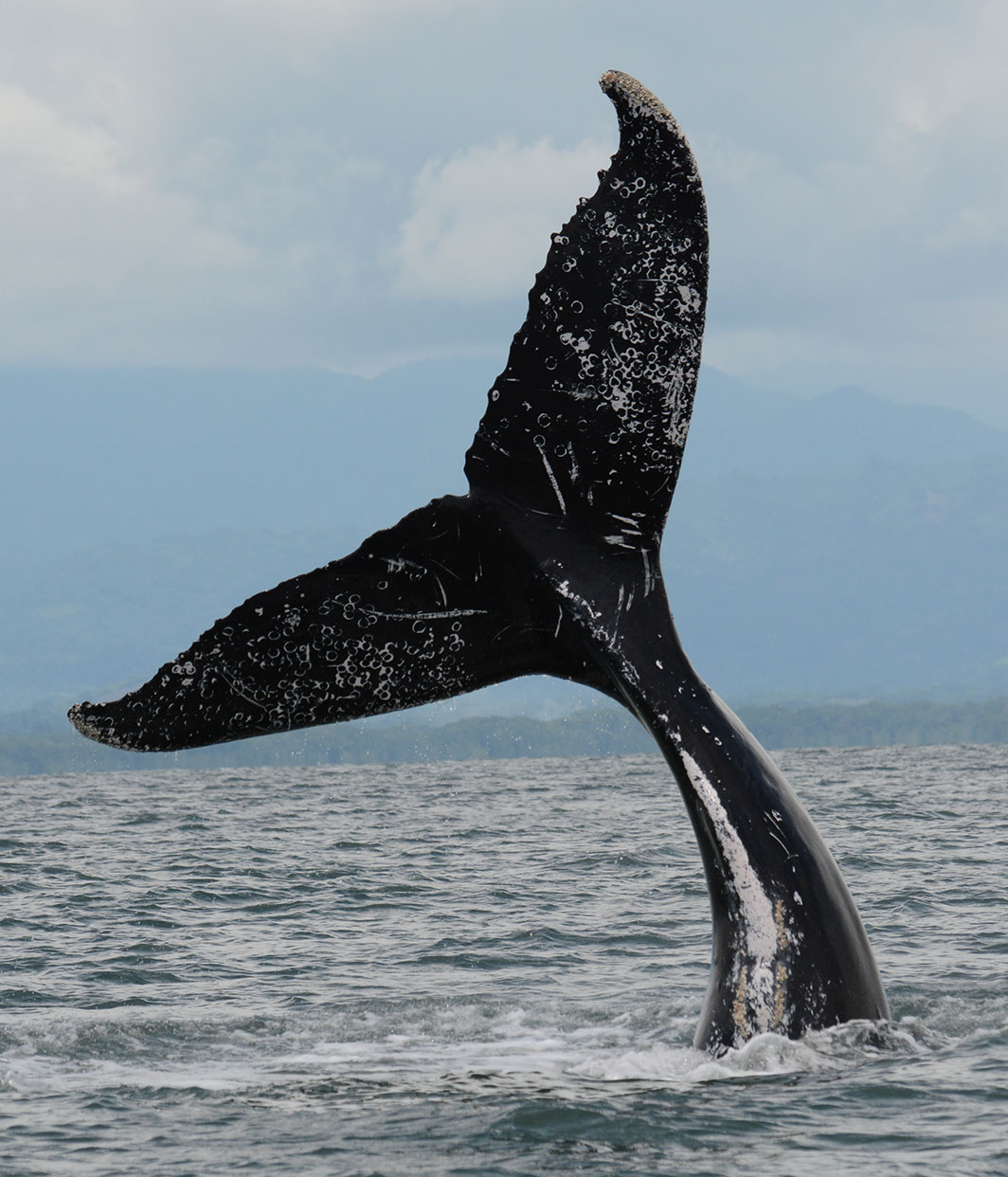
For nearly two decades, ISF has supported Panacetacea’s pioneering humpback whale research in the Gulf of Chiriquí. Using photo ID, acoustic monitoring, and suction-cup cameras, scientists are expanding understanding of humpback whales — and the recently documented presence of Bryde’s whales — in Panama’s waters.
-
For 20 years, Panacetacea has tracked humpback whales in the Gulf of Chiriquí using photo ID and sound recordings—identifying over 1,000 individuals
-
A new frontier? Suction-cup cameras capture rare underwater footage, revealing how whales feed, move, and interact
-
Recently discovered the presence of year-round resident Bryde’s whales
-
Contributes regularly to regional and international marine mammal conservation planning
Law for Coral, Power for Nature
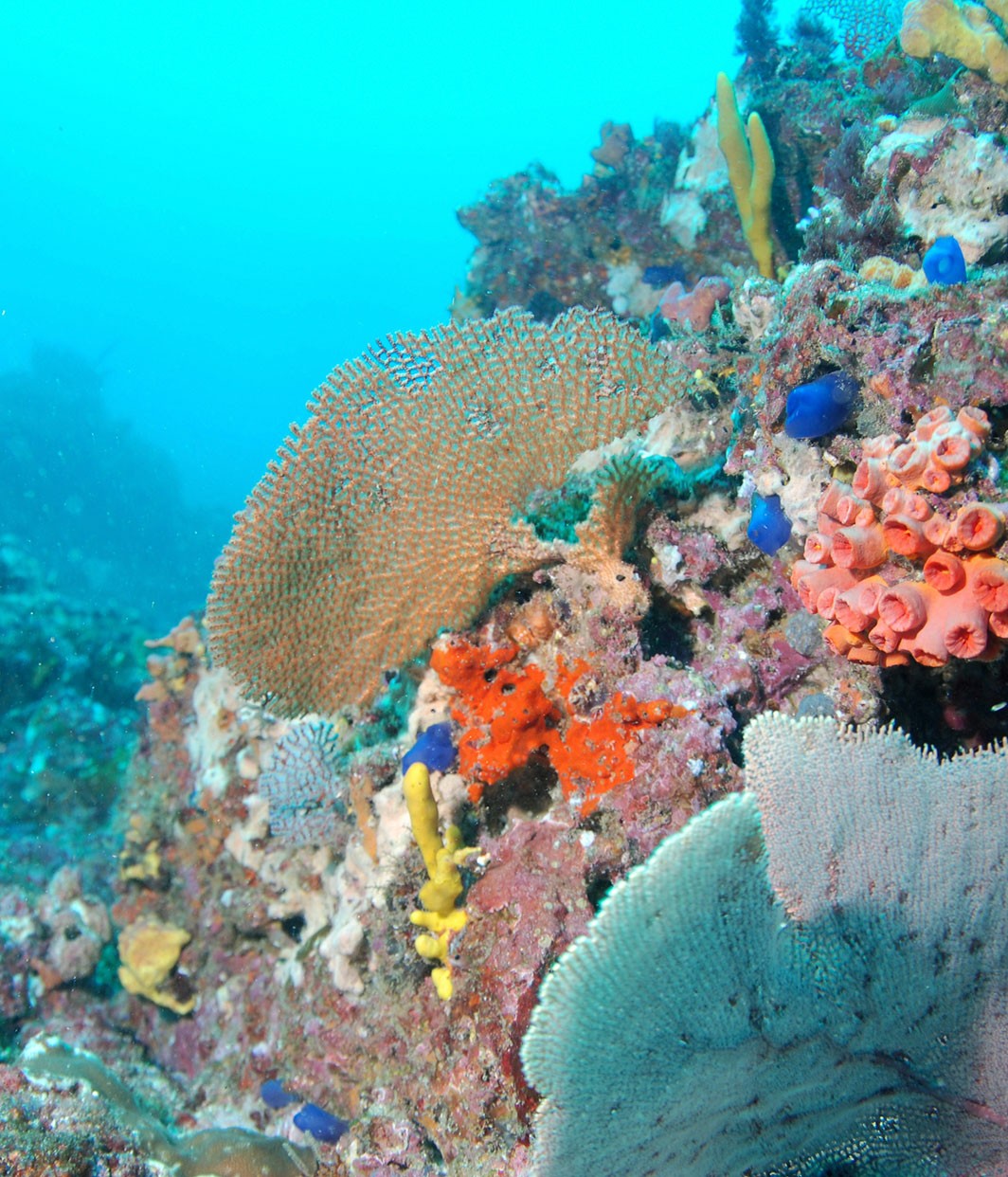
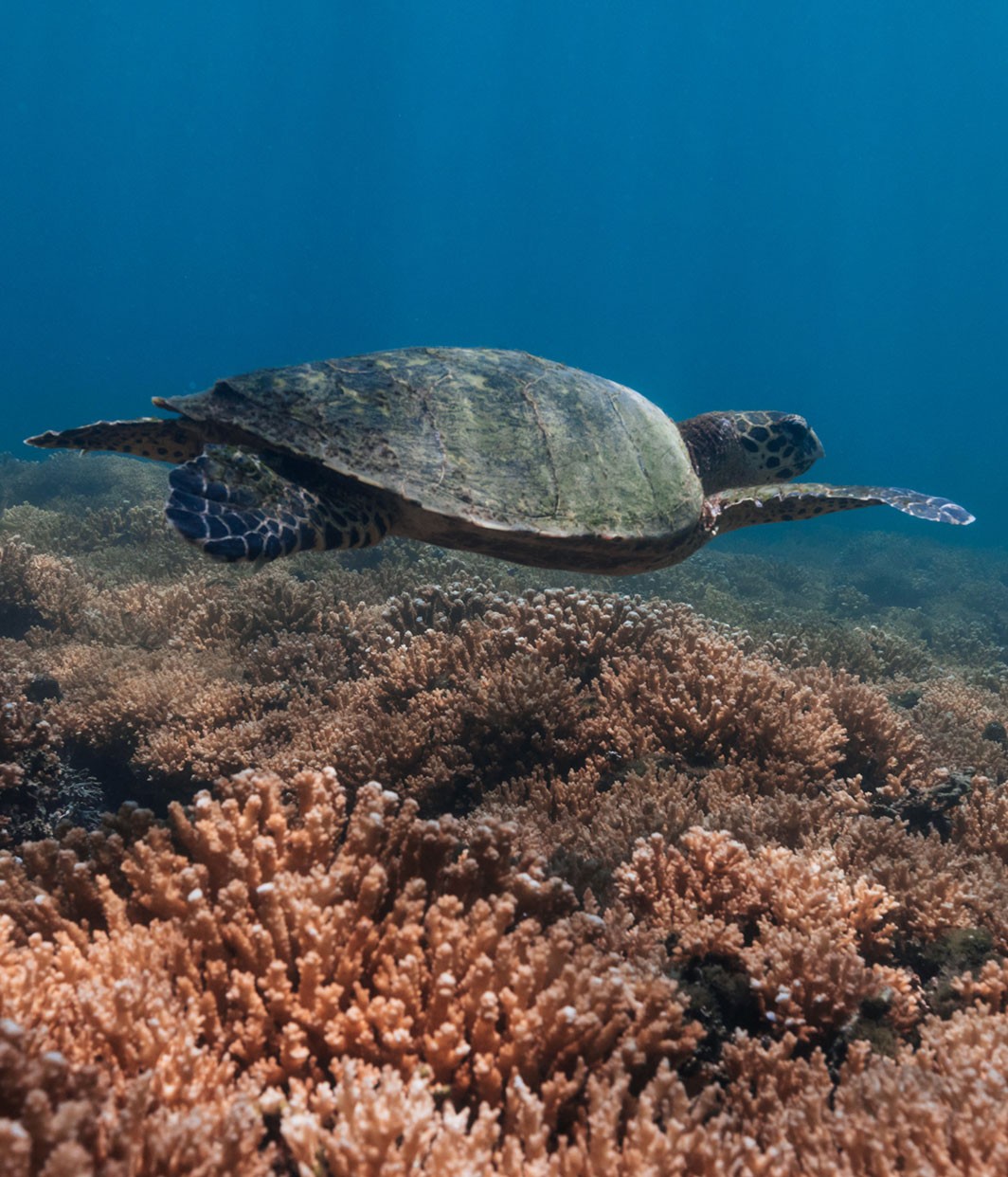
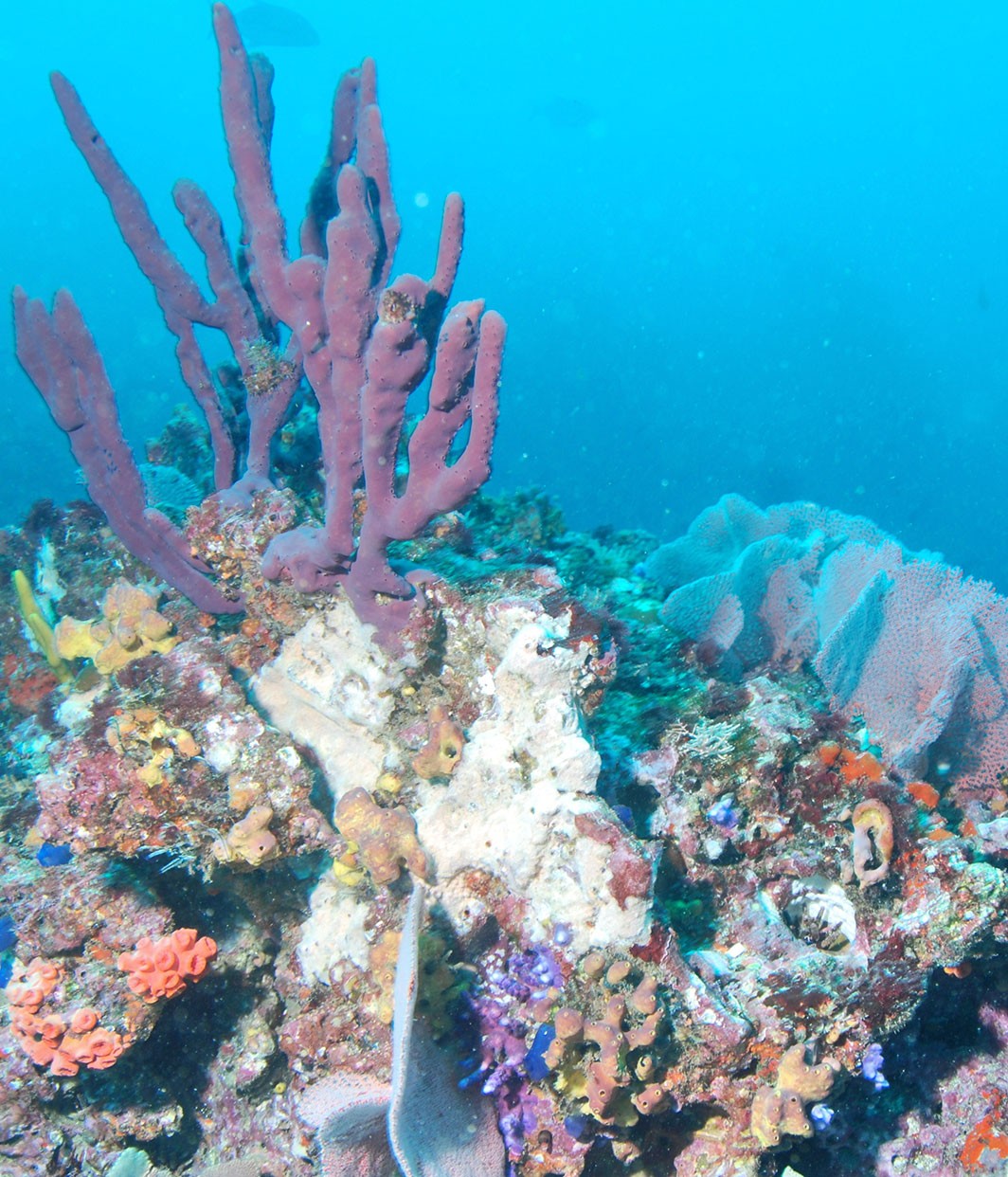
Legal advocacy is essential for ocean protection. ISF partners with CIAM to strengthen environmental governance and legal safeguards for marine ecosystems. CIAM successfully championed Panama’s first Coral Reef conservation law in May 2022, positioning the country as a regional leader in protecting coral and related ecosystems, including mangroves and seagrass beds. CIAM is supporting implementation and ensuring compliance through regulations, public-sector engagement, and technical guidance.
-
This environmental law nonprofit helped pass Panama’s groundbreaking Coral Law—the first in Latin America—offering immediate legal protection for coral reefs
-
Backed by ISF, CIAM is now focused on ensuring that law is enforced and integrated into development, fisheries, and conservation planning
Advancing Fishing Transparency
Transparency is a powerful conservation tool. Panama has made significant progress in ocean conservation, protecting more than half of its national waters. However, limited coordination and a lack of standardized training for documenting illegal fishing can slow enforcement. With Secas Foundation support, Global Fishing Watch uses satellite technology to track and visualize fishing activity, helping combat IUU fishing and strengthen governance.
-
Assisted the Coast Guard in catching illegal fishing activity in the Coiba Ridge
-
Partnered with Panama’s environmental agency to strengthen ocean monitoring and marine protection using satellite technology
-
Supporting ARAP to create accurate digital records of fishing vessel ownership and implement transfer-monitoring rules to reduce opportunities for concealment
-
Contributed to development of a national plan to monitor and inspect fishing fleets more effectively
-
Mapped all industrial fishing vessels in Panamanian waters using satellite data, providing open data to support enforcement

Building Knowledge and Capacity
Through ISF support, STRI advances scientific research and education on tropical biodiversity. From whale migration studies to postgraduate student research and training, these initiatives nurture Panama’s next generation of conservation leaders.
-
Supported blue whale migration studies in the Eastern Tropical Pacific
-
Expanded biodiversity training for Panamanian university students
-
Establishing plans for a Coibita Research Station within Coiba National Park
-
Led in global research of marine megafauna, forest canopies and tropical ecosystems
Aulas Verdes: Educating Future Stewards
In 2007, PAS and National Audubon Society piloted the Aulas Verdes Environmental Education Program in Panama City to provide teachers and students with the tools to understand and protect their local ecosystem. Recognizing an urgent need for a local conservation constituency in the Chiriquí region, ISF enabled PAS to expand Aulas Verdes to the region in 2016 and has supported the program since.
-
Secas Foundation support enables the program to now reach 500+ students ages 6 to15 across five Chiriquí schools
-
Trained teachers and students to lead community stewardship projects through lessons on coastal ecosystems, food chains, pollution and recycling, shorebird migration, climate change, and other emerging environmental topics
-
Created learning opportunities that foster lifelong appreciation for wetlands and wildlife

Coral Restoration and Monitoring
-
Monitoring reef health around Islas Secas.
-
Establishing a baseline for coral recovery programs using herbivores to manage algae.
-
Conducting long-term research on coral cover, algal density, cryptic fish, and ocean conditions.