



4 Unique Whale Experiences at Islas Secas
L ying at the heart of Panama’s Gulf of Chiriquí, our archipelago plays a vital role in a global conservation story. These protected waters sit at the heart of one of the Eastern Tropical Pacific’s most biodiverse regions, where marine life moves through a corridor of islands, reefs, mangroves and deep seas fed by nutrient-rich upswells.
As an important breeding ground for humpback whales, which migrate here from both the northern and southern hemispheres, our seeing whales here is about listening, learning, observing, and understanding our place in a living seascape. For our guests, this creates a rare opportunity to see and experience whale migrations in a way that is intimate, exciting – and deeply connected to conservation.
Here are four unique whale experiences at Islas Secas:
1. Whale-watching Expeditions
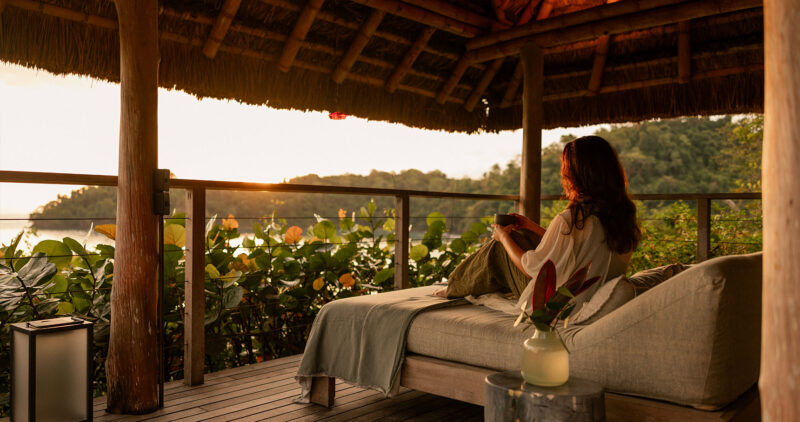
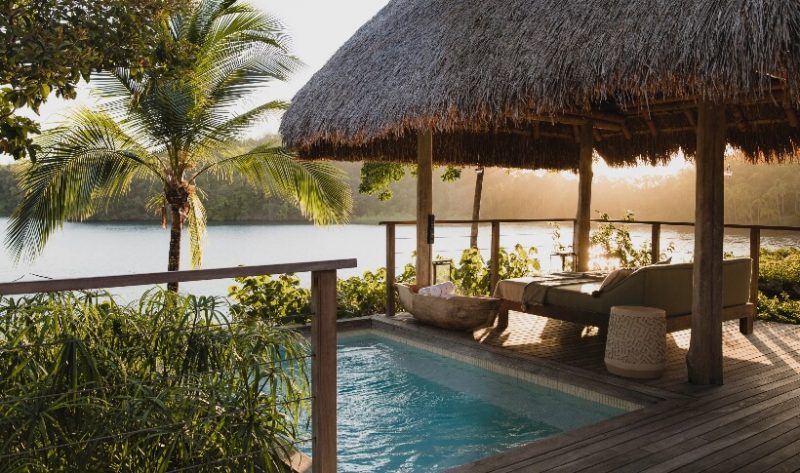
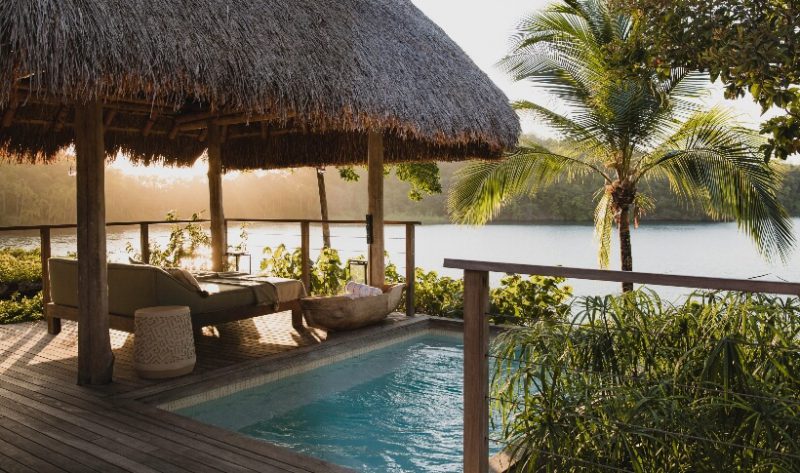
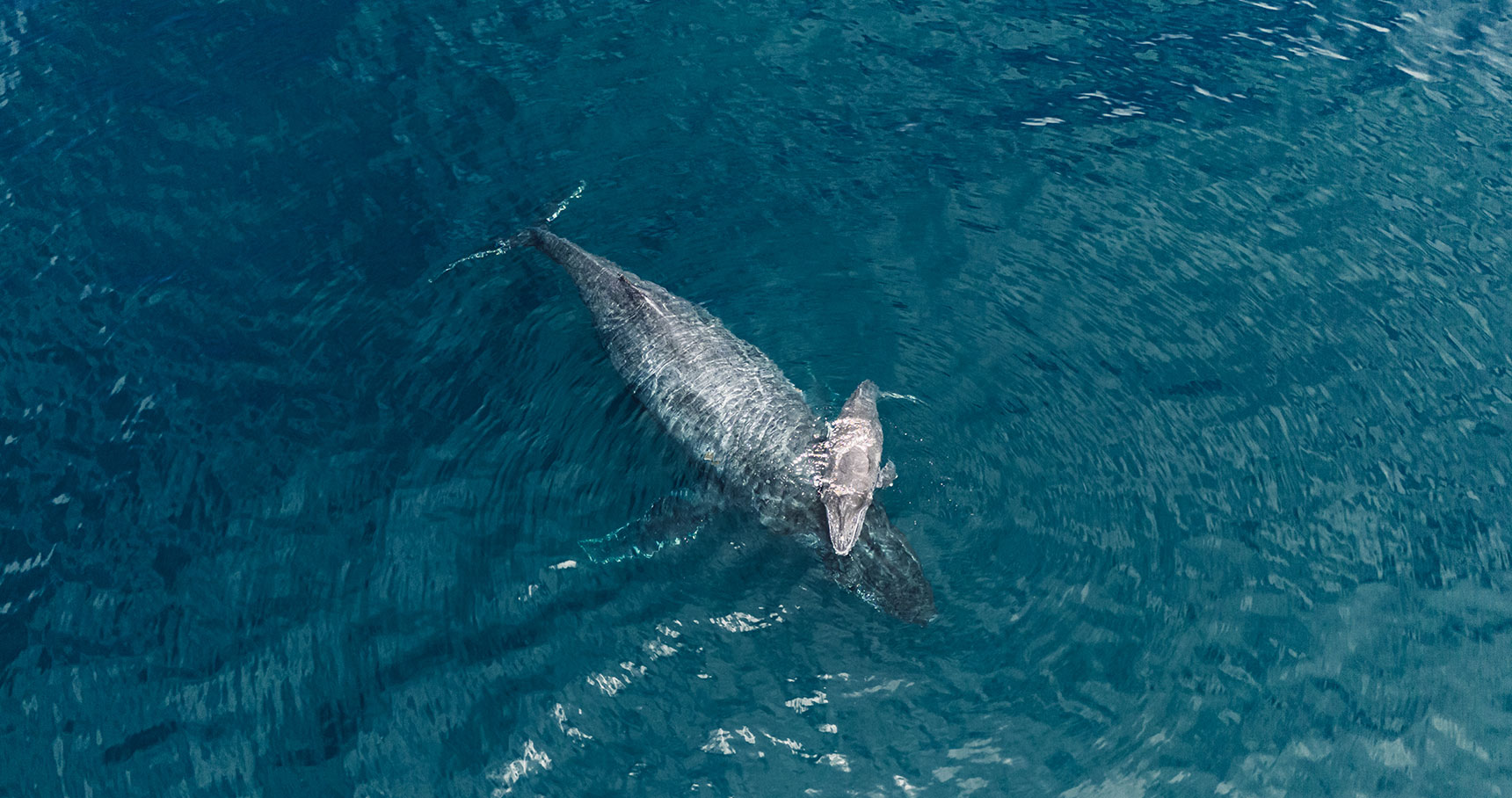
Between June & October, we are lucky to be the calving grounds for our visiting humpbacks, which means you can often spot whales and their calves from the comfort of your Casita. July & August are truly peak Marine Safari months, and we love taking guests out on best-practice whale watching expeditions.
Outings are shaped by the conditions of the day and guided by respect for these majestic animals. We follow strict protocols, keeping a respectful distance while still allowing a front row view of all the drama – and stillness – of our visiting whales.
Our remote location has the added benefit of allowing us to usually be the only boat in the water, and we see often see mothers with their calves. You may also spot dolphins, or, on rare occasion, false killer whales. (Of note – we are thrilled the recently-documented Bryde’s whales has been seen nearby.)
2. Listen to Live Whale Song
No whales in sight? Think again. With hydrophones, the sea comes alive with whale song, revealing the extraordinary world humming just beneath the surface.
From whale songs to clicks and the colorful complexity of the ocean’s acoustic landscape, this unique experience – guided by our experts and contributing to whale research – offers a powerful shift in perspective for our guests. Above the surface, the Pacific may appear calm. Beneath it, whales are communicating and navigating through a hidden world.
3. Whale Fluke Identification
Conservation is a core part of who we are at Islas Secas, and this often means getting guests involved in citizen science activities, such as whale fluke photo-identification, to help contribute to global tracking and research efforts.
Each humpback whale has a distinct fluke pattern, much like a human fingerprint, and with guidance from our on-island experts, guests are invited to photograph these markings to submit for tracking purposes. These images can help researchers such as the Panacetacea team build their scientific record of how whales migrate across the globe.
4. Conservation Talks and presentations from researchers
Our whale research and conservation efforts are led by Panacetacea, which has been monitoring the waters around Islas Secas for over 20 years.
For guests seeking to go deeper, conservation talks and presentations, including those with Panacetacea researchers when on island, offer a thoughtful way to understand the science behind each whale encounter.
These sessions bring context to what guests may have seen on the water: where the whales have travelled from, why this region matters, and how research can help protect the routes they rely on.
Why Panama offers such a rare whale experience
The Gulf of Chiriquí forms part of a wider marine corridor, connecting protected areas and supporting the movement of species through the Eastern Tropical Pacific.
For guests, this means each whale encounter belongs to a larger story. Humpbacks, sea turtles, manta rays, whale sharks, and other marine species move through these waters, making Islas Secas a natural base for a conservation-focused Marine Safari.
The archipelago’s remote location, protected setting, and expert-led experiences allow guests to explore this marine environment with curiosity and care. It’s an adventure with purpose, a chance to see more and become part of a wider commitment to protecting the natural world.